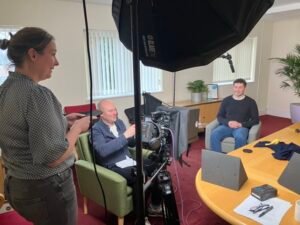
Video keeps slipping down the list. There is always another campaign, another deadline and another budget conversation. For communications and marketing teams, committing to filming can feel like adding work before seeing any return.
What makes teams hesitate?
Budget is one sticking point: a single shoot feels easier to approve than an ongoing commitment. Unclear measurement makes that decision harder. If nobody agrees what success looks like, video becomes an expense rather than a purposeful part of the marketing plan.
Capacity matters too. Who finds the stories, briefs contributors and approves edits? Camera nerves, competing stakeholders and slow signoff can make even a simple interview feel complicated. Teams may also worry about losing flexibility or running out of things to say.

How do you make the case to the C-suite?
Start with the business problem your leadership team already cares about. Perhaps prospects struggle to understand your offer, sales colleagues repeatedly answer the same questions, or members only hear from you when renewal approaches. Explain where video could help, who it would serve and how you will assess its contribution.
A proposal for “twelve videos” describes production. A proposal to help potential customers understand your expertise, see evidence and feel confident starting a conversation gives those videos a reason to exist. The filming schedule should follow that purpose.
Give your finance director a defined budget and scope. Give your chief executive a clear connection to organisational priorities. Give your commercial director examples of where the content will support conversations. Include the time your own team must contribute, because a production partner cannot remove every internal responsibility.
You might frame the proposal like this: “Over three months, we want to answer our customers’ most common questions through expert interviews and customer stories. We will use them across our website, sales follow-up and LinkedIn, then review audience response, qualified enquiries and feedback from sales before agreeing the next phase.”
This is a case for a measured commitment, with a review point and room to change direction. A longer contract alone does not make a better strategy.
Why deeper connections take more than one film
A polished introduction can open the door. The next question is what gives someone a reason to come back. A useful video sequence lets your audience get to know the people behind the organisation, understand how you think and see whether your approach fits their needs.
Imagine a potential client first watching your director explain a difficult industry issue. Later, they see a team member demonstrate your process. A customer then describes the problem you helped solve, including the challenges along the way. Each film answers a different question and adds evidence to the relationship.
For a membership organisation, that sequence might move from a member’s experience to practical advice from an expert, then a follow-up showing what changed. It creates opportunities to listen and respond, rather than only broadcasting announcements.
Consistency can support familiarity, but repetition alone does not earn trust. The content must remain useful, credible and relevant. Avoid promising instant sales: deeper engagement is something to nurture and test, not a guaranteed result of posting regularly.
What changes with a regular videographer?
A consistent production partner can learn your organisation, understand your audience and help turn everyday expertise into useful stories. Planning interviews together, coaching nervous speakers and agreeing a repeatable approval process can make filming easier to manage.
One planned session can also create several assets: a customer story, an explainer and short social clips. Each needs a clear purpose and distribution plan. More footage alone is not a strategy.

Trust behind the camera shapes what happens in front of it
Trust also develops between your team and the person filming them. The first interview can feel unfamiliar: lights, microphones and the pressure to say everything perfectly. Returning to someone who listens, explains the process and gives constructive guidance can make the next conversation feel less daunting.
Over time, a videographer can learn who needs questions in advance, who speaks most naturally in conversation and when a contributor needs a pause. That understanding can help people move beyond rehearsed corporate phrases towards specific examples and clearer explanations.
The relationship should include honest challenge. A trusted videographer can say, “That sounds important, but what does it mean for your customer?” They can spot a promising story during planning and ask the follow-up question that a rushed shoot might miss.
This trust needs practical foundations: clear consent, agreed boundaries, a reliable review process and care with sensitive information. Contributors should understand where their footage may appear. Familiarity should make communication easier while keeping professional standards high.
For the marketing team, continuity also means less repeated briefing. A partner who knows your tone, visual style and approval process can build on previous work. Keep the content organised, with agreed access and usage rights, so that the growing library remains useful to your organisation.
Make a manageable first commitment
Start with a focused three-month pilot rather than an undefined promise. Choose one audience, one business objective and a realistic filming rhythm. Agree responsibilities, deliverables, revision limits, usage rights and review dates before cameras arrive.
Measure outcomes that matter: relevant enquiries, sales conversations or engagement from the people you want to reach. Use those findings to decide what happens next.
At Geofilms, we believe better content starts with clearer questions and a workable plan. Bring a videographer into the conversation early, while ideas are taking shape.
Ready to move beyond occasional videos? Let’s talk about your next three months.
Robert Hickey
Founder and Director, Geofilms